
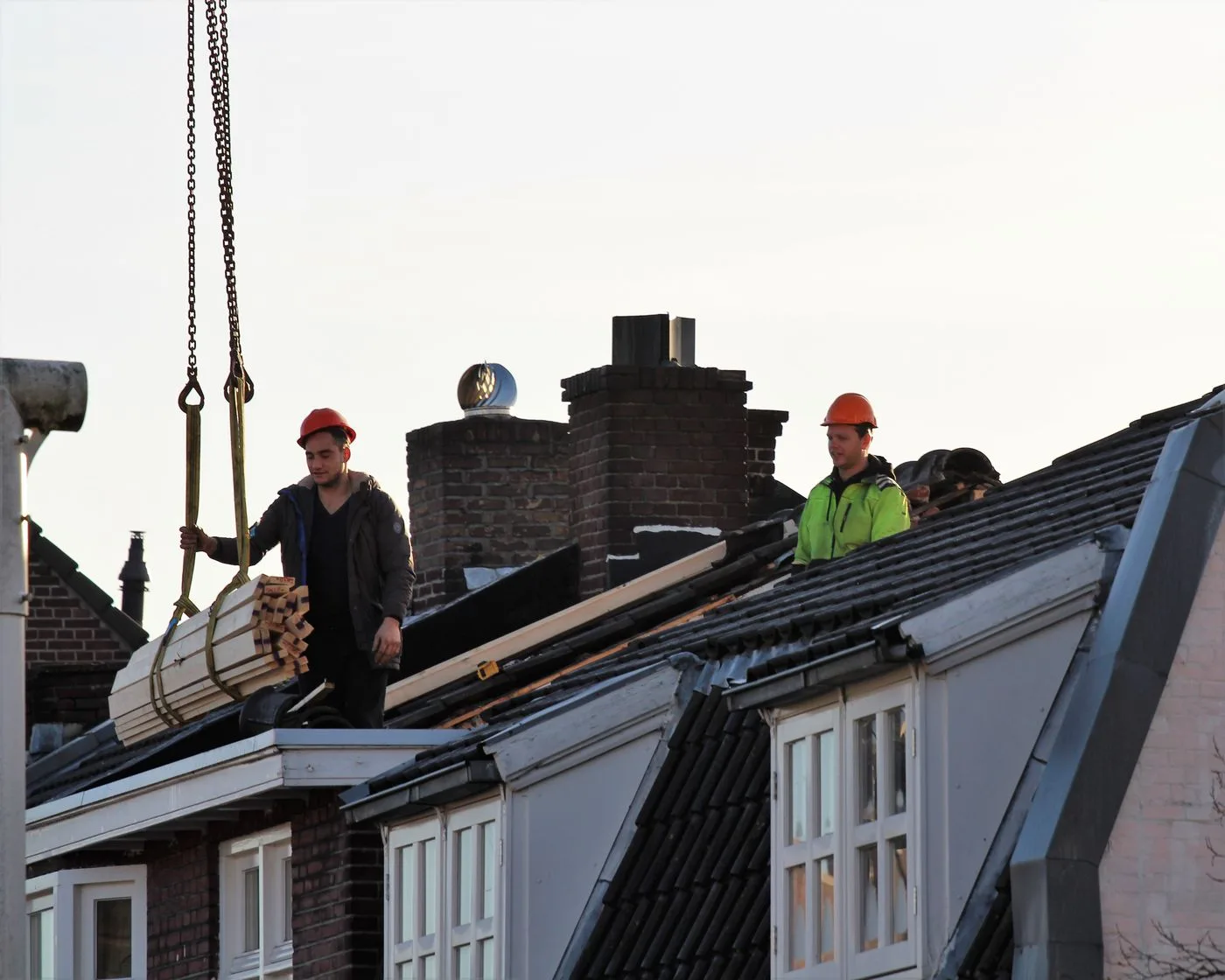
Keep clear of the damaged area
A tree resting on a roof can put additional load on an already damaged structure. Stay away from the affected room, roof and nearby lines. Do not try to pull a branch free or climb onto the roof to photograph it. If there is an immediate danger, contact emergency services. Photographs can wait until the area is safe.
Coordinate removal and assessment
Tell the roofing team whether the tree is still in place, whether utilities are affected and whether a qualified person has assessed the structure. Tree removal, structural stabilization and roof repair are different scopes that may need coordinated sequencing. Do not assume a roofer’s estimate includes tree removal or engineering services unless the agreement says so.
Look beyond the visible hole
A puncture can involve the covering, underlayment, decking and supporting members. An assessment should consider adjacent roof planes and transitions as well as the impact point. Ask what can be observed before removal and which concealed conditions remain uncertain. Photograph any findings made during the work and agree how additional repairs are approved.
Separate temporary protection from permanent construction
Temporary protection is intended to limit further exposure while the full work is planned. Ask who installs it, what areas it addresses and how it will be checked. Do not treat temporary covering as a structural repair or a guarantee that the building is safe to occupy. Confirm responsibility for the lasting roof repair and any other affected building components.
Compare a repair boundary with the existing roof
A repair must connect to sound surrounding materials. Brittle shingles, damaged decking or a complex roof intersection can affect the feasible repair area. Ask how replacement covering and flashings tie into the existing assembly. Color matching and waterproof construction are separate questions; discuss both before approving the work.
Put the closeout requirements in writing
The proposal should identify removal, disposal, repair areas, materials, concealed-work pricing, permits where required and cleanup. Ask which inspection records and warranty documents will be provided. Keep tree-removal records, roof photographs and the final scope together so a future service question can be traced to the work actually performed.